
Ever wondered what separates the gaming legends from the rest? It’s not just reflexes; it’s strategy! From the sprawling worlds of MMORPGs to the tense skirmishes of RTS games, online gaming demands cunning, planning, and a healthy dose of teamwork. This exploration dives deep into the art of online game strategy, revealing the secrets behind resource management, team coordination, and the impact of game mechanics on your chances of victory.
Prepare to level up your gaming prowess!
We’ll cover a vast landscape, from understanding the unique strategies needed for different game genres (think MMORPGs versus RTS) to mastering the art of team composition and communication. We’ll also delve into the impact of game design – from free-to-play models to the subtle influence of skill trees – on your overall strategic approach. Get ready to uncover hidden advantages and become a true digital strategist!
Popular Online Game Genres and Strategies
Online gaming offers a vast landscape of genres, each demanding unique strategies for success. Mastering these strategies can mean the difference between a frustrating experience and a rewarding journey to the top of the leaderboard. This section will delve into some of the most popular genres, highlighting key strategic elements for players of all skill levels.
MMORPG Strategies
Massively Multiplayer Online Role-Playing Games (MMORPGs) are characterized by persistent worlds, character progression, and extensive social interaction. Effective strategies often revolve around efficient resource management, strategic character builds, and skillful group play. Players need to carefully choose their class and specialization, understanding its strengths and weaknesses in combat and utility roles. Focusing on specific skills and gear acquisition based on chosen class and playstyle is crucial.
Joining guilds or communities provides access to group activities, such as raids and dungeons, that offer significant rewards and opportunities for advancement. Efficient leveling strategies, including quest completion and grinding, contribute to overall character progression.
RTS and Turn-Based Strategy Comparison
Real-Time Strategy (RTS) games demand quick thinking and rapid decision-making under pressure. Success hinges on efficient base building, unit production, and tactical maneuvering. Players must constantly adapt to their opponent’s strategies, utilizing scouting to anticipate attacks and effectively counter enemy advances. In contrast, Turn-Based Strategy (TBS) games allow for more deliberate planning and strategic depth. Players have time to carefully consider each move, optimizing resource allocation and unit positioning before committing to an action.
While RTS requires rapid reflexes, TBS emphasizes long-term planning and foresight. Both genres reward strategic thinking, but their pace and execution differ significantly.
PvP Combat Strategies
Player-versus-player (PvP) combat varies wildly depending on the game genre. In MMORPGs, understanding class matchups and exploiting enemy weaknesses is crucial. Knowing when to engage and when to disengage is key to survival. In RTS games, micro-management of units and strategic flanking maneuvers can determine the outcome of a battle. In first-person shooters (FPS), map awareness, aiming accuracy, and quick reflexes are paramount.
Regardless of the genre, effective PvP often involves anticipating opponent actions, adapting to changing circumstances, and leveraging environmental advantages.
Resource Management Strategies
Resource management is a critical element in nearly every online game. Efficiently gathering and utilizing resources directly impacts a player’s progress and competitive edge. Different game genres prioritize different resources and utilize them in distinct ways.
| Game Genre | Resource Type | Strategy for Acquisition | Strategy for Utilization |
|---|---|---|---|
| MMORPG | Gold/Currency | Quest completion, monster drops, crafting, selling items | Gear upgrades, skill enhancements, purchasing consumables |
| RTS | Minerals/Gas (e.g., StarCraft) | Building mining structures, controlling resource points | Unit production, base expansion, technological upgrades |
| TBS | Food/Production Points | Managing city infrastructure, controlling strategic locations | Unit recruitment, building improvements, research advancements |
Teamwork and Collaboration Strategies in Online Games
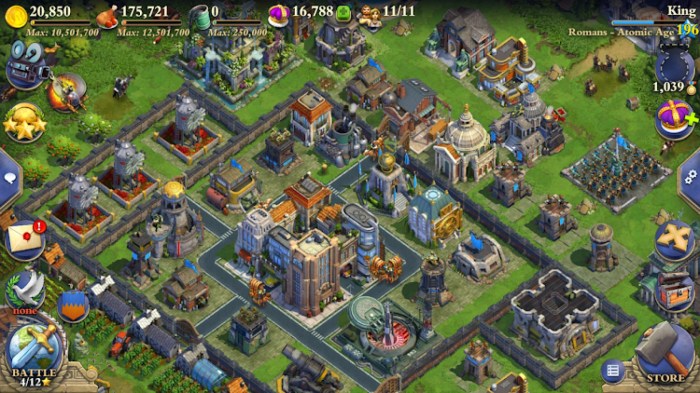
Teamwork is the lifeblood of many successful online gaming experiences. Whether you’re raiding a dungeon in an MMORPG, coordinating a push in a MOBA, or strategizing for victory in a tactical shooter, effective collaboration significantly increases your chances of winning and enhances the overall enjoyment of the game. This section explores key strategies for building and maintaining strong teams in the dynamic world of online gaming.
The Importance of Communication and Coordination
Clear and consistent communication is paramount in team-based online games. Without it, even the most skilled players can struggle. Effective communication involves more than just shouting commands; it necessitates concise, informative updates on player status, enemy positions, and strategic objectives. Coordination, in turn, relies on shared understanding of roles, responsibilities, and the overall game plan. Teams that excel at both communication and coordination exhibit a remarkable synergy, transforming individual strengths into a formidable collective force.
For example, in a game like Counter-Strike: Global Offensive, a team relying on clear callouts of enemy locations and coordinated pushes can easily overwhelm an uncoordinated opponent.
Effective Team Compositions and Roles
Different game genres require different team compositions and roles. Consider the diverse roles within a typical MMORPG raid group: tanks absorb damage, healers maintain the team’s health, and damage dealers focus on eliminating enemies. Similarly, MOBAs feature a range of roles such as supports, mages, and warriors, each with unique contributions to the team’s overall strategy. In first-person shooters, roles might include snipers providing long-range support, and assault players pushing forward.
Understanding these roles and their interplay is crucial for building a balanced and effective team. A well-balanced team ensures all aspects of gameplay are covered, minimizing weaknesses and maximizing strengths.
Strategies for Leading and Motivating a Team
Leading a team in online gaming requires a blend of skill, diplomacy, and empathy. Effective leaders clearly articulate the team’s goals, assign roles strategically, and provide constructive feedback. They also actively foster a positive and encouraging environment, celebrating successes and offering support during setbacks. Motivating a team often involves recognizing individual contributions, acknowledging effort, and promoting a sense of camaraderie.
For instance, a team leader might use in-game voice chat to praise a player for a particularly skillful maneuver, boosting morale and encouraging continued strong performance. Similarly, acknowledging mistakes constructively, focusing on improvement rather than blame, is essential for maintaining team cohesion.
Decision-Making Process in a Collaborative Online Game Scenario
A flowchart illustrating the decision-making process in a collaborative online game could look like this:[Imagine a flowchart here. The flowchart would begin with a “Problem/Opportunity Identified” box. This would branch to “Assess Situation (Team Resources, Enemy Position, Objectives)” which would then branch to “Develop Potential Solutions/Strategies”. This would lead to “Evaluate Solutions (Risk Assessment, Feasibility)” and then to “Select Best Strategy (Consensus, Leader Decision)”.
This selection would lead to “Implement Strategy” and then finally to “Evaluate Outcome (Success/Failure, Adjustments)”. The “Evaluate Outcome” box would loop back to the “Problem/Opportunity Identified” box, showing the iterative nature of the decision-making process in dynamic gameplay.] This cyclical process ensures continuous adaptation to the changing dynamics of the game.
The Impact of Game Mechanics on Strategy
Game mechanics are the nuts and bolts of any online game, and their design profoundly shapes the strategic landscape. From the way players progress to the economic systems governing in-game resources, these mechanics dictate player choices, influencing everything from short-term tactical decisions to long-term overarching strategies. Understanding these influences is key to mastering any online game.Game mechanics directly impact player strategies by creating incentives and constraints.
Leveling systems, for instance, often reward players for completing specific tasks or grinding experience, encouraging focused progression towards certain abilities or equipment. Skill trees provide further customization, allowing players to specialize in particular roles or playstyles, thus shaping their strategic contribution to the team. Itemization, with its intricate systems of rarity, stats, and synergies, further complicates the strategic decision-making process, demanding careful planning and resource management.
The interplay between these mechanics creates a complex web of possibilities and limitations that define the strategic depth of a game.
Leveling Systems and Skill Trees: Shaping Player Progression
Leveling systems, the cornerstone of many RPGs and MMOs, directly influence strategic choices. A system that rewards consistent grinding often leads to strategies focused on efficient experience farming, potentially neglecting other aspects of the game. Conversely, a system that emphasizes diverse activities might encourage a more balanced approach, preventing players from becoming overly specialized too early. Skill trees amplify this effect, providing players with choices that determine their roles and capabilities.
A skill tree with clear-cut specializations might push players towards specific roles, while a more flexible tree could lead to hybrid builds and more versatile strategies. For example, in World of Warcraft, the choice between focusing on damage or healing abilities drastically alters a player’s strategic role within a raid group.
Game Economies: Free-to-Play vs. Subscription-Based
The economic model of a game significantly impacts player strategies. Free-to-play games often incorporate monetization mechanics that influence gameplay, sometimes leading to strategies centered around maximizing in-game purchases or exploiting economic loopholes. Subscription-based games, on the other hand, typically offer a more balanced gameplay experience, as players aren’t directly pressured to spend money to remain competitive. However, even in subscription-based games, efficient resource management remains a crucial strategic element.
The difference lies in the nature of the resources: in free-to-play games, resources might include premium currency or time-limited items, while subscription-based games might focus on in-game gold, crafting materials, or reputation.
Common Game Design Elements and Strategic Approaches
Certain game design elements consistently encourage specific strategic approaches. Limited-time events, for instance, often force players to prioritize certain activities over others, leading to short-term strategic shifts. Resource scarcity can encourage cooperative strategies, as players are incentivized to share resources and collaborate. Conversely, competitive elements such as leaderboards or PvP systems can drive players towards individualistic, aggressive strategies.
The presence of a robust crafting system might incentivize players to focus on resource gathering and crafting, leading to a more passive, economic-focused strategy.
The Effect of Specific Game Mechanics on Player Decision-Making in Dota 2
The following points illustrate how various mechanics in Dota 2 affect player decision-making:
- Experience and Gold Distribution: The shared experience and gold system encourages teamwork and strategic lane assignments to ensure efficient farming and leveling. Players must decide how to best allocate resources among their team members to maximize overall effectiveness.
- Itemization: The vast array of items with unique stats and synergies compels players to strategically build their heroes based on the enemy team composition and the current game state. Choosing the right items can make or break a game.
- Hero Abilities and Synergies: The diverse range of heroes and their abilities encourages strategic drafting and team composition. Players need to consider how heroes complement each other and counter the enemy team.
- Map Awareness and Objective Control: Controlling key objectives such as towers, Roshan, and runes requires coordinated team efforts and strategic positioning. Players must balance aggression with defense to secure map control.
Online Game Development Considerations
Crafting a successful online game requires more than just fun visuals and engaging storylines; it demands a deep understanding of game mechanics, player psychology, and the delicate art of balance. The design process, from initial concept to final release, is an iterative journey involving careful planning, rigorous testing, and constant refinement. Only through this meticulous approach can developers create games that not only entertain but also foster a thriving, competitive community.Designing Engaging Game Mechanics that Promote Strategic GameplayCreating compelling game mechanics that encourage strategic thinking is paramount.
This involves carefully considering the core loop of the game – the actions players repeatedly perform. A well-designed core loop should offer players meaningful choices, with each decision impacting the overall game state. For example, in a real-time strategy (RTS) game, the core loop might involve resource gathering, unit production, and combat. Each of these actions presents strategic choices: what resources to prioritize, what units to build, and how to deploy them effectively.
To enhance strategic depth, developers can incorporate asymmetrical factions, each with unique strengths and weaknesses, forcing players to adapt their strategies accordingly. The addition of technology trees, allowing players to unlock new units and abilities, further expands strategic possibilities, creating diverse and engaging gameplay experiences.
Balancing Gameplay to Ensure Fair Competition
Maintaining a fair and balanced competitive environment is a significant challenge. Poorly balanced games often lead to frustration and player attrition. The process of balancing involves meticulously analyzing the relative strengths and weaknesses of different units, abilities, and strategies. This often involves extensive playtesting and data analysis, identifying overpowered elements and underperforming aspects. For example, a particular unit might consistently dominate combat encounters, necessitating adjustments to its stats or abilities.
Similarly, a strategy that proves overwhelmingly effective needs to be countered through the introduction of new mechanics or adjustments to existing ones. The key is to create a system where different strategies have a chance to succeed, preventing any single approach from becoming universally dominant. Games like StarCraft II exemplify this challenge, with constant balancing patches released to maintain competitive fairness.
The Importance of Playtesting and Iterative Development in Refining Game Strategies
Playtesting is not just a formality; it’s the lifeblood of iterative game development. Through extensive playtesting, developers can identify flaws in game mechanics, uncover unintended strategies, and gather invaluable feedback on game balance. This feedback loop is crucial for refining game strategies and ensuring a polished, enjoyable experience. Iterative development involves making changes based on this feedback, testing those changes, and then iterating again.
This continuous cycle of testing and refinement is essential for creating a well-balanced and engaging game. A common approach is to organize focus groups with diverse player skill levels, gathering feedback on various aspects of the game. This feedback helps developers identify and address issues before the game’s official release.
Examples of Successful Game Designs that Incorporate Compelling Strategic Elements
Many games showcase exceptional strategic depth. Civilization VI, for example, masterfully blends empire building, technological advancement, and diplomacy into a rich strategic experience. Players must manage resources, research technologies, and engage in complex interactions with other civilizations, all while striving for global domination. The game’s vast array of units, buildings, and technologies offers incredible strategic diversity. Another prime example is Dota 2, a MOBA (Multiplayer Online Battle Arena) game renowned for its high skill ceiling and deep strategic layers.
The complex interplay between heroes, items, and map awareness necessitates intricate team coordination and strategic decision-making. The constant evolution of meta-strategies keeps the game fresh and engaging for years, showcasing the power of iterative design and community feedback.
Free Online Games and Their Strategies
The world of free-to-play online games has exploded in popularity, offering a vast array of experiences without upfront costs. However, this accessibility comes with its own set of strategic considerations, both for the players and the developers. Understanding the mechanics behind these games is key to enjoying them and appreciating the complexities of their design.Free-to-play games employ a variety of monetization strategies, aiming to generate revenue without charging an initial purchase price.
This often involves a delicate balance between providing a compelling free experience and enticing players to spend money on optional enhancements. The success of these strategies hinges on understanding player psychology and creating a system that feels fair and rewarding, even for those who choose not to spend.
Monetization Strategies in Free-to-Play Games
Common monetization strategies in free-to-play games include in-app purchases (IAPs), where players can buy virtual currency, items, or advantages; advertising, which displays ads to generate revenue; subscription models, offering premium features for a recurring fee; and freemium models, providing a basic free experience with optional paid upgrades. Many games blend these strategies to maximize revenue potential while catering to different player preferences.
For example, a game might offer cosmetic items for purchase while generating additional income through targeted advertising. The effectiveness of each strategy depends on factors like game genre, target audience, and overall game design.
Strategic Depth Comparison: Free-to-Play vs. Paid Games
The assertion that free-to-play games lack strategic depth compared to paid games is a simplification. While some free-to-play games prioritize casual gameplay and monetization, many others boast significant strategic complexity. The strategic depth often depends on the game’s design rather than its pricing model. Paid games, while sometimes offering more content, don’t inherently guarantee deeper strategy. Consider the complexities of a free-to-play massively multiplayer online role-playing game (MMORPG) compared to a simple, paid puzzle game.
The former might require intricate resource management, strategic alliances, and long-term planning, while the latter might focus on immediate problem-solving. Ultimately, the strategic depth is determined by the game’s design choices, not its price tag.
Ethical Considerations in Free-to-Play Game Design
Ethical concerns surrounding free-to-play games often center on the potential for manipulative monetization practices. This includes the use of “pay-to-win” mechanics, where purchasing advantages significantly impacts gameplay fairness, or “loot boxes,” which are randomized purchases that may offer underwhelming rewards. Transparency in pricing and probabilities, along with a focus on balanced gameplay, are crucial for ethical free-to-play design.
Games that prioritize player enjoyment over maximizing revenue are generally perceived more favorably. The industry is evolving towards greater transparency and regulation, aiming to address concerns about exploitative practices.
Examples of Free Online Games and Their Core Strategic Elements
The following list showcases diverse free-to-play games and their key strategic components:
- Dota 2: Teamwork, strategic hero selection, map awareness, resource management, and itemization are crucial for victory.
- League of Legends: Similar to Dota 2, focusing on team composition, lane control, objective control, and strategic decision-making during team fights.
- Hearthstone: Deckbuilding, card synergy, resource management, and adapting to opponent strategies are central elements.
- StarCraft II (Free-to-Play elements): Micro-management of units, macro-management of resources, strategic base building, and tactical combat are key.
- Roblox: Creativity, resourcefulness, and social interaction; strategic elements vary greatly depending on the specific game created within the Roblox platform.
Online Games for Girls and Their Unique Strategies
Online games designed specifically for girls often differ significantly from those targeting a broader audience, showcasing unique themes, mechanics, and strategic approaches. These differences aren’t simply about aesthetics; they reflect evolving understandings of female player preferences and the impact of gender representation on game design and player behavior. This exploration will delve into the characteristics of games designed for girls, comparing their strategic elements with those found in games with different target demographics.
The strategic elements in games designed for girls often emphasize social interaction, narrative depth, and creative expression, rather than solely focusing on aggressive competition or fast-paced reflexes. This is not to say that competitive elements are absent, but their implementation is often subtly different, emphasizing collaboration and cooperation over direct confrontation.
Themes and Mechanics Commonly Found in Online Games Designed for Girls
Games targeting female players frequently incorporate themes of friendship, relationships, fashion, design, and storytelling. Mechanics often reflect these themes, integrating elements like character customization with extensive options for clothing, hairstyles, and accessories; virtual pet care; and crafting or building systems that allow for creative expression. The narrative often plays a central role, with engaging storylines and character development contributing significantly to the overall gameplay experience.
For example, games like
- Animal Crossing* and
- Stardew Valley* incorporate these elements, fostering a relaxed and creative atmosphere where players focus on building relationships and creating their own personalized worlds. These games have been massively successful, demonstrating a significant market demand for these specific types of gameplay experiences.
Comparison of Strategic Elements Across Different Demographics
While games aimed at male players often prioritize fast-paced action, skill-based challenges, and direct competition, games for girls frequently incorporate a greater emphasis on social interaction, resource management, and long-term planning. For instance, in a typical first-person shooter (FPS) game targeted at a broader audience, strategic thinking might involve map awareness, tactical positioning, and quick reflexes. In contrast, a game likeMy Horse and Me*, which focuses on horse care and riding, would involve strategic planning related to horse training, stable management, and competition scheduling.
The strategic challenge is different but equally complex, requiring a different set of skills and thought processes.
The Impact of Gender Representation on Game Design and Player Strategies
The representation of female characters and storylines significantly influences the design and the strategies players employ. Games featuring strong female protagonists and diverse female characters encourage players to identify with and engage more deeply with the game’s narrative and strategic elements. Conversely, a lack of diverse representation can lead to a less engaging experience for female players and limit the scope of potential strategies.
Games like
The Sims*, with its robust character customization and focus on relationship building, demonstrate the potential for inclusivity and diverse gameplay styles that resonate with a wide audience, including female players.
Examples of Successful Online Games Catering to Female Players and Their Unique Strategies
Animal Crossing
This life simulation game emphasizes community building, resource management, and creative expression through home design and character customization. Strategic elements involve careful planning of resource acquisition, efficient island development, and the cultivation of relationships with other villagers.* Stardew Valley: Similar to Animal Crossing, this farming and life simulation game emphasizes community building and resource management. Strategies focus on efficient farming techniques, the development of relationships with villagers, and the strategic management of resources to expand the farm and achieve personal goals.* My Horse and Me: This game focuses on horse care and riding, involving strategic planning related to horse training, stable management, and competition scheduling.
Players must carefully manage their resources, train their horses effectively, and plan their competition strategies to succeed. These examples highlight the variety of successful games that cater to female players while showcasing the unique strategic elements that define their gameplay experiences.
The Relationship Between Online Games and Gambling
The lines between online games and online gambling are increasingly blurred. While many online games offer in-game purchases and reward systems that resemble gambling mechanics, the core difference lies in the presence or absence of real-world monetary stakes. This section explores the strategic similarities and differences, the inherent risks, and the mechanics driving the intersection of these two digital entertainment spheres.Online casino games and other online games share some strategic similarities, particularly in the realm of risk assessment and reward management.
Both require players to make calculated decisions based on available information and probability. However, the consequences of those decisions differ significantly. In games like chess or StarCraft, strategic errors may lead to a loss of the game, while in online casino games, poor strategic choices can result in significant financial losses.
Strategic Elements: A Comparison
Strategic thinking plays a role in both online casino games and other online games, but the nature of the strategy differs. In games like poker, strategy involves bluffing, reading opponents, and managing risk based on probabilities and hand rankings. This contrasts with strategy in games like League of Legends, where strategic planning involves team composition, map awareness, and coordinated attacks.
While both require planning and decision-making, the former directly involves financial risk, while the latter involves the loss of in-game progress or rank.
Risks Associated with Online Gambling and Responsible Gaming Practices
Online gambling carries inherent financial risks. The addictive nature of gambling, combined with the ease of access and anonymity offered by online platforms, can lead to problem gambling and significant debt. Responsible gaming practices, such as setting deposit limits, taking regular breaks, and seeking help from support organizations when needed, are crucial for mitigating these risks. For example, organizations like GamCare in the UK and the National Council on Problem Gambling in the US offer resources and support for individuals struggling with gambling addiction.
These organizations highlight the importance of recognizing the signs of problem gambling, such as chasing losses, neglecting responsibilities, and experiencing emotional distress related to gambling.
Online Casino Free Spins and Their Impact on Gameplay
Online casinos often offer free spins as a promotional tool to attract new players or reward existing ones. These free spins allow players to try out slot games without risking their own money. While free spins can enhance the gameplay experience and potentially lead to winnings, it’s important to understand that they are often associated with wagering requirements. These requirements dictate the amount a player must wager before being able to withdraw any winnings earned from the free spins.
For example, a casino might offer 10 free spins with a 35x wagering requirement. This means a player would need to wager 35 times the amount won from the free spins before they can withdraw those winnings.
The Role of Online Casino Affiliates in Promoting Online Gambling
Online casino affiliates act as intermediaries, promoting online casinos in exchange for a commission on player deposits or revenue generated. These affiliates use various marketing strategies, including website reviews, social media campaigns, and email marketing, to attract new players to online casinos. The role of affiliates is significant in the online gambling industry, as they drive a large portion of player acquisition.
However, their promotional activities raise ethical concerns, particularly regarding responsible gambling practices and the potential for targeting vulnerable individuals. Regulations surrounding affiliate marketing in the online gambling sector vary widely across different jurisdictions.
Legal Aspects of Online Gambling
The world of online gambling is a complex landscape, interwoven with legal intricacies that vary dramatically across geographical boundaries. Understanding these legal frameworks is crucial for both operators and players, ensuring responsible engagement and minimizing potential risks. This section will explore the legal and ethical considerations surrounding online gambling, highlighting the challenges of enforcement and best practices for responsible gaming.
Legal Frameworks Governing Online Gambling
Jurisdictions worldwide adopt diverse approaches to regulating online gambling. Some countries have completely prohibited online gambling, while others have implemented licensing and regulatory frameworks to control and tax the industry. For instance, the United Kingdom boasts a robust regulatory system overseen by the Gambling Commission, which licenses and monitors online gambling operators, ensuring fair practices and player protection.
Conversely, countries like the United States have a more fragmented approach, with individual states holding varying degrees of authority over online gambling legalization and regulation. This patchwork of laws often creates complexities for international operators seeking to navigate the legal landscape. The European Union also grapples with a fragmented approach, with member states retaining significant autonomy in establishing their gambling laws, leading to inconsistencies in regulations across the bloc.
Ethical Considerations of Online Gambling Regulation
The ethical dimensions of online gambling regulation are multifaceted. Balancing the potential revenue generation for governments with the need to protect vulnerable individuals from gambling addiction is a central challenge. Effective regulation must consider the social costs associated with problem gambling, such as financial hardship, relationship breakdown, and mental health issues. Moreover, ethical considerations extend to ensuring fair play and preventing manipulation by operators.
Transparency and accountability are key, demanding robust regulatory mechanisms to detect and address fraudulent activities, such as rigged games or unfair bonus structures. The potential for underage gambling also presents a significant ethical dilemma, requiring stringent age verification measures and robust enforcement mechanisms.
Challenges of Enforcing Online Gambling Laws
Enforcing online gambling laws presents significant hurdles. The borderless nature of the internet makes it difficult to track and regulate online gambling operators, particularly those operating from jurisdictions with lax regulations or no regulations at all. Furthermore, the use of cryptocurrencies and other anonymizing technologies complicates the process of tracing transactions and identifying players. International cooperation is essential to effectively combat cross-border illegal online gambling activities.
However, differences in legal frameworks and enforcement priorities across jurisdictions often hinder collaborative efforts. The constant evolution of technology, with new platforms and payment methods emerging, further adds to the challenges faced by regulatory bodies in keeping pace with evolving online gambling trends.
Best Practices for Responsible Online Gambling
Promoting responsible online gambling requires a multi-pronged approach. Operators should implement robust self-exclusion mechanisms, allowing players to temporarily or permanently restrict their access to gambling platforms. Clear and readily available information on responsible gambling resources, such as helplines and support groups, is also crucial. Moreover, operators should incorporate measures to detect and address problem gambling behavior, such as setting deposit limits, loss limits, and session time limits.
Independent auditing of games and random number generators ensures fairness and transparency. Governments, on the other hand, can play a role by funding research into problem gambling, raising public awareness, and collaborating with operators to promote responsible gaming practices. Furthermore, effective regulation should encourage responsible advertising practices, avoiding misleading or manipulative marketing tactics that might entice vulnerable individuals.
Wrap-Up
So, whether you’re a seasoned veteran or a fresh recruit to the digital battlefield, understanding online game strategies is key to unlocking your full potential. From meticulously managing resources to fostering effective teamwork, every aspect contributes to your success. By mastering these strategies, you’ll not only improve your gameplay but also gain a deeper appreciation for the intricate design and dynamics of the online gaming world.
Now go forth and conquer!
Helpful Answers
What are some common mistakes new players make in online games?
New players often neglect communication, underestimate resource management, and fail to adapt their strategies based on opponent behavior. They also sometimes rush into situations without a plan.
How important is communication in team-based games?
Communication is paramount! Effective teamwork relies on clear communication to coordinate attacks, defend against threats, and share crucial information in real-time.
Are there ethical considerations in competitive online gaming?
Absolutely. Cheating, exploiting glitches, and harassment are all unethical and often against a game’s terms of service. Fair play and respectful conduct are crucial.
How can I improve my decision-making in online games?
Practice analyzing situations, anticipating opponent moves, and learning from your mistakes. Review replays of your matches to identify areas for improvement.


