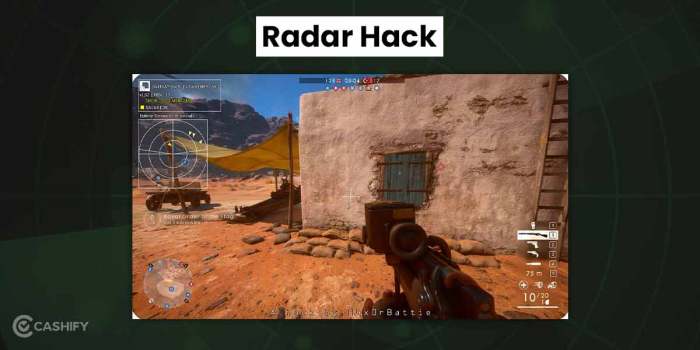
Ever wondered what lurks beneath the surface of your favorite online game? Beyond the epic battles and thrilling quests, a shadowy world of online game hacks exists, where players seek unfair advantages, developers battle relentless attacks, and the very integrity of the gaming experience hangs in the balance. This exploration dives into the fascinating—and sometimes frightening—world of online game hacking, uncovering the methods, impacts, and implications of this digital deception.
From subtle stat boosts to game-breaking exploits, we’ll examine the diverse landscape of hacking techniques, the devastating effects on players and the industry, and the legal and ethical tightropes walked by both hackers and developers. Prepare for a journey into the heart of digital subterfuge, where the lines between fair play and foul are constantly blurred.
The Prevalence of Online Game Hacks
The world of online gaming, while offering incredible experiences and communities, unfortunately also harbors a persistent shadow: cheating. The prevalence of online game hacks is a significant problem impacting the fairness, enjoyment, and longevity of many games across diverse genres. This pervasive issue necessitates understanding the various methods employed by hackers, their impact, and the consequences they create for both individual players and the gaming ecosystem as a whole.
Types of Online Game Hacks
Online game hacks are incredibly diverse, ranging from relatively simple modifications to sophisticated exploits. These hacks can significantly alter the game’s mechanics, granting cheaters an unfair advantage over legitimate players. The sophistication of these hacks varies greatly, depending on the game’s architecture and the skill of the hacker.
Methods Employed by Hackers
Hackers utilize a variety of methods to gain an unfair advantage. These range from modifying game files directly to using third-party software that interacts with the game’s servers. Common techniques include aimbots (automatically aiming weapons), wallhacks (seeing through walls), speed hacks (moving at superhuman speeds), and ESP (extra sensory perception, highlighting enemy locations). More advanced methods involve exploiting vulnerabilities in the game’s code or network infrastructure, often requiring significant technical expertise.
For example, a sophisticated exploit might involve manipulating server-side data to alter game statistics or player attributes.
Impact of Hacking Techniques on Game Genres
The impact of hacking varies depending on the game genre. In first-person shooters (FPS), aimbots and wallhacks can completely disrupt gameplay, making fair competition impossible. In massively multiplayer online role-playing games (MMORPGs), botting (using automated scripts to perform repetitive tasks) can severely imbalance the economy and player progression. Real-time strategy (RTS) games might see hackers manipulating unit production or resource gathering, while in card games, hacks could involve manipulating deck composition or card effects.
The consequences are far-reaching, affecting the enjoyment of legitimate players, potentially leading to game abandonment and a decline in the game’s overall player base.
Severity and Consequences of Common Hacking Methods
| Hacking Method | Severity | Consequences for Player | Consequences for Game |
|---|---|---|---|
| Aimbot (FPS) | High | Ban from game, loss of progress | Reduced player engagement, unfair gameplay |
| Wallhack (FPS/MMORPG) | High | Ban from game, reputational damage | Damaged game balance, negative player experience |
| Speed Hack (Various) | Medium to High | Ban, account suspension | Disrupted gameplay, potential server instability |
| Botting (MMORPG) | Medium to High | Account suspension, item confiscation | Economic imbalance, diminished player experience |
The Impact of Online Game Hacks on Players
Online game hacking casts a long shadow over the gaming community, leaving a trail of frustration, anger, and disillusionment in its wake. The seemingly innocuous act of cheating profoundly impacts the players who dedicate their time, effort, and often money, to a shared virtual experience. The consequences extend far beyond simple annoyance, reaching into the emotional and psychological well-being of affected players.The experience of encountering hackers in online games is frequently described as deeply unfair and profoundly frustrating.
The carefully constructed balance of skill, strategy, and teamwork that defines many games is shattered by players who manipulate the game’s mechanics for an unfair advantage. This undermines the competitive spirit and the sense of achievement that many players derive from their gameplay. The feeling of having your efforts negated by someone exploiting vulnerabilities is disheartening, particularly when significant time and resources have been invested.
Examples of Hack Disruption
Hackers employ a variety of methods to disrupt the game’s intended experience. For example, aimbots in first-person shooters grant an unfair advantage by automatically targeting opponents, eliminating the skill required for accurate shooting. Similarly, wallhacks allow players to see through walls, revealing the location of enemies and negating the strategic element of stealth and positioning. In role-playing games (RPGs), hacks that grant unlimited resources or experience points destroy the sense of progression and challenge, leaving legitimate players feeling cheated out of the intended gameplay loop.
Imagine spending weeks meticulously leveling up your character, only to be instantly surpassed by a hacker who has manipulated the game’s systems to gain an unfair advantage. The sense of injustice and wasted effort can be significant.
Emotional and Psychological Effects on Players
The impact of online game hacking extends beyond simple frustration. It can have significant emotional and psychological effects on players.
- Frustration and Anger: The feeling of being cheated out of a fair game can lead to intense frustration and anger, especially when the hacker’s actions are blatant and unpunished.
- Discouragement and Demotivation: Repeated encounters with hackers can discourage players, leading them to lose interest in the game and potentially quit altogether.
- Sense of Injustice: The unfair advantage gained by hackers undermines the sense of fairness and competition inherent in many online games, leading to feelings of injustice and resentment.
- Stress and Anxiety: The constant threat of encountering hackers can create stress and anxiety, particularly in competitive games where the stakes are high.
- Loss of Trust: Hacking erodes trust in the game developers and the online community, creating a cynical and distrustful environment.
The Legal and Ethical Implications of Online Game Hacks
The world of online gaming, while offering immense entertainment, is increasingly intertwined with the complex legal and ethical dilemmas surrounding game hacks. These modifications, ranging from minor visual enhancements to powerful exploits granting unfair advantages, raise significant questions about individual responsibility, intellectual property, and the very nature of fair play. Understanding the legal and ethical implications is crucial for both developers and players alike.
Legal Ramifications for Creating or Using Game Hacks
Creating and distributing game hacks often involves violations of copyright law, as the hacks frequently incorporate elements of the game’s code, assets, or underlying technology without permission. Furthermore, using hacks to gain an unfair advantage can lead to violations of a game’s terms of service, resulting in account bans or legal action by the game developer. In some cases, particularly when hacks involve unauthorized access to game servers or databases, charges of computer crime or data theft may be brought against the individuals involved.
The severity of the legal consequences depends on various factors, including the nature of the hack, the extent of the damage caused, and the jurisdiction in which the offense occurred.
Ethical Considerations Surrounding Hack Development and Distribution
Beyond the legal ramifications, the development and distribution of game hacks raise serious ethical concerns. Creating hacks that disrupt the intended gameplay experience for other players is fundamentally unfair and undermines the principles of competition and sportsmanship that underpin many online games. The distribution of such hacks, especially if marketed as “cheat tools” or “game enhancers,” can be viewed as actively encouraging unethical behavior and contributing to a toxic gaming environment.
Ethical considerations extend beyond the direct impact on other players; they also encompass the potential for developers to lose revenue and the erosion of trust in the integrity of online games.
Legal Frameworks in Different Countries Concerning Online Game Hacking
Legal frameworks regarding online game hacking vary considerably across different countries. Some countries have specific laws addressing unauthorized access to computer systems and data, which can be applied to game hacking activities. Others may rely on broader laws concerning intellectual property rights, breach of contract, or fraud. For example, in the United States, the Computer Fraud and Abuse Act (CFAA) could be invoked in cases involving unauthorized access to game servers.
In contrast, European Union countries might apply different directives related to data protection and intellectual property rights. The lack of uniform international laws makes prosecuting individuals involved in cross-border game hacking challenging.
Hypothetical Scenario Illustrating Potential Legal Consequences
Imagine a scenario where a group of individuals develops and distributes a hack for a popular massively multiplayer online role-playing game (MMORPG). This hack allows players to automatically farm in-game resources at an exponentially faster rate than is possible through legitimate gameplay. The developers of the MMORPG discover the hack and trace its origins to the group. They could pursue legal action based on copyright infringement, breach of the game’s terms of service, and potentially even charges related to unauthorized access to their servers if the hack involved compromising their security systems.
The individuals involved could face significant fines, legal fees, and even criminal charges depending on the jurisdiction and the severity of their actions. This scenario highlights the significant legal risks associated with game hacking.
Online Game Development and Security Measures
Creating secure and engaging online games is a constant battle against ingenuity. Game developers face a unique challenge: balancing the desire for open, player-driven experiences with the need to protect their game from exploitation by hackers. The arms race between developers and hackers is relentless, requiring continuous innovation and adaptation on the part of developers to maintain a fair and enjoyable gaming environment.Game developers face numerous hurdles in their quest to prevent hacking attempts.
The complexity of modern online games, with their intricate systems and vast amounts of data, presents a significant challenge. Hackers are constantly seeking vulnerabilities in game code, network protocols, and even client-side applications. The sheer volume of players also increases the difficulty of detecting and preventing malicious activity, as a single vulnerability can be exploited by numerous individuals simultaneously.
Furthermore, the ever-evolving nature of hacking techniques necessitates a proactive and adaptable security strategy.
Effective Security Measures Implemented by Game Developers
Game developers employ a multi-layered approach to combat hacking. This includes robust server-side security, which focuses on protecting game data and preventing unauthorized access to game servers. This often involves firewalls, intrusion detection systems, and regular security audits. Client-side security measures, such as code obfuscation and anti-cheat software, aim to prevent hackers from manipulating game files or injecting malicious code.
Data encryption is also crucial, protecting sensitive player information from interception. Furthermore, regular updates and patches are essential for addressing vulnerabilities discovered after a game’s release. For example, Riot Games, the developers of League of Legends, regularly deploy patches that address exploits and vulnerabilities found by players and security researchers, demonstrating a commitment to ongoing security improvement.
Strategies for Improving the Security and Integrity of Online Game Environments
Improving the security of online games requires a proactive and multifaceted approach. Employing a strong, regularly updated anti-cheat system is paramount. This system should include various detection methods, such as memory scanning, behavioral analysis, and network monitoring. Furthermore, strong authentication and authorization systems are necessary to prevent unauthorized access to accounts and game resources. Regular security audits and penetration testing can identify and address vulnerabilities before they can be exploited.
Collaboration with the community is also vital; developers can learn from player reports and feedback to identify and address potential security flaws. Finally, a well-defined reporting system allows players to easily report suspicious activity, enabling a rapid response from developers.
Anti-Cheat Mechanisms and Their Limitations
Anti-cheat mechanisms utilize a variety of techniques to detect and prevent cheating. These include signature-based detection, which identifies known cheat programs, and behavioral analysis, which monitors player actions for anomalies. Memory scanning checks for unauthorized code modifications, while network monitoring detects unusual communication patterns. However, these mechanisms are not foolproof. Hackers constantly develop new methods to bypass anti-cheat systems, employing techniques such as rootkit infections, code obfuscation, and sophisticated injection methods.
The cat-and-mouse game between anti-cheat developers and hackers necessitates continuous improvement and adaptation of anti-cheat technology. The effectiveness of anti-cheat measures is also impacted by factors such as the complexity of the game, the number of players, and the resources available to developers. For example, while a game like Counter-Strike: Global Offensive utilizes a sophisticated anti-cheat system (VAC), it still struggles to completely eliminate cheating, highlighting the ongoing challenge.
The Relationship Between Online Game Hacks and Other Online Activities
Online game hacking, while seemingly confined to the virtual worlds of games, often shares surprising connections with other forms of cybercrime. Understanding these links is crucial for developing effective security measures and for recognizing the broader societal implications of these activities. The motivations, techniques, and even the perpetrators often overlap, creating a complex web of interconnected illicit activities.The motivations behind hacking in online games and other online contexts are surprisingly similar, often stemming from a combination of factors.
Financial gain is a significant driver in both arenas, with stolen in-game items being sold for real-world money mirroring the sale of stolen credit card information or other personal data. Similarly, the desire for recognition and power, often expressed through bragging rights in online games, translates into the pursuit of notoriety in other hacking contexts. The thrill of overcoming security measures and the challenge of exploiting vulnerabilities provides a powerful incentive across various types of online attacks.
Shared Techniques and Technologies in Online Attacks
Many techniques used to compromise online games are directly applicable to other online systems. For example, SQL injection, a common method used to exploit vulnerabilities in game databases to steal user data, is also widely used to attack websites and other online services. Similarly, denial-of-service (DoS) attacks, which flood servers with traffic to render them unusable, are employed against online games as well as against critical infrastructure and financial institutions.
The use of malware, such as keyloggers to steal passwords or bots to automate tasks, is prevalent in both online games and other forms of cybercrime. The shared reliance on exploiting software vulnerabilities underscores the need for robust security practices across all online platforms.
Risk and Vulnerability Comparison: Online Games vs. Other Online Platforms
| Aspect | Online Games | Other Online Platforms (e.g., Banking, Social Media) | Shared Vulnerabilities |
|---|---|---|---|
| Data Breaches | Account details, in-game currency, personal information | Financial information, personal data, sensitive communications | SQL injection, cross-site scripting (XSS), insecure APIs |
| Malware Infections | Keyloggers, cheats, bots | Ransomware, spyware, viruses | Phishing, malicious downloads, software vulnerabilities |
| Denial-of-Service Attacks | Server overload, disruption of gameplay | Website unavailability, service disruption | Flooding attacks, resource exhaustion |
| Financial Losses | Stolen in-game items, real-money transactions | Identity theft, financial fraud | Exploitation of vulnerabilities leading to unauthorized access |
The Business of Online Gaming and the Impact of Hacks
The multi-billion dollar online gaming industry thrives on player engagement and in-game purchases. However, the insidious threat of game hacks significantly undermines this delicate ecosystem, impacting not only player experience but also the very financial foundations of game developers and publishers. Understanding the financial implications of hacking is crucial to comprehending the ongoing battle for online game integrity.The financial repercussions of game hacks are multifaceted and devastating.
They directly affect revenue streams, necessitate costly countermeasures, and can even lead to reputational damage, impacting future game sales and investor confidence. The scale of the problem varies depending on the game’s popularity and the nature of the hacks employed.
Financial Losses from Hacks
Game hacks can disrupt several key revenue streams. For example, hacks that grant players unfair advantages, such as aimbots in first-person shooters or botting in MMORPGs to automate resource gathering, directly undermine the value proposition of in-game purchases. Players who gain an unfair advantage through cheating are less likely to spend money on in-game items or premium subscriptions, as they already possess an advantage obtained illegally.
Furthermore, the presence of cheaters can drive away paying players, who may find the game less enjoyable and fair if they are constantly outmatched by hackers. This loss of paying customers represents a significant direct loss of revenue for game developers. Consider a popular MMORPG with millions of players; even a small percentage of players using hacks can translate into millions of dollars in lost revenue from in-game purchases and subscriptions.
The impact is amplified when considering the potential loss of future revenue from players who leave the game due to the prevalence of cheating.
Mitigation Strategies and Costs
Game developers and publishers employ various strategies to combat hacking and mitigate financial losses. These include sophisticated anti-cheat software, dedicated security teams, and legal action against cheat developers and distributors. Anti-cheat systems often involve complex algorithms, real-time monitoring, and machine learning to detect and ban cheaters. Maintaining these systems requires significant ongoing investment in personnel, technology, and infrastructure.
The cost of developing and maintaining anti-cheat measures can be substantial, varying widely depending on the complexity of the game and the scale of the hacking problem. For example, a large multiplayer online game might spend millions of dollars annually on anti-cheat development and maintenance. Furthermore, legal action against cheat developers and distributors adds another layer of expense.
This can involve significant legal fees and investigative costs.
The Cost of Anti-Cheat Measures
The cost of implementing and maintaining robust anti-cheat measures is a significant ongoing expense for game developers. This includes salaries for security personnel, the licensing and maintenance of anti-cheat software, and the infrastructure required to support these systems. The cost varies significantly depending on the scale of the game, the complexity of its gameplay, and the sophistication of the hacks it faces.
For smaller studios, these costs can represent a substantial portion of their budget, potentially impacting other aspects of game development and marketing. Larger studios with bigger budgets may dedicate entire teams to anti-cheat development and maintenance, representing a significant investment in both human capital and technological resources. The ongoing arms race between cheat developers and anti-cheat developers ensures that this cost is unlikely to decrease in the foreseeable future.
Exploring Related Topics
The interconnected world of online gaming extends far beyond the virtual battlefields and digital casinos. Understanding its relationship with other online activities requires examining the development process, diverse game genres, and the broader landscape of online entertainment and gambling. This exploration delves into the mechanics of free-to-play models, the specific design considerations for certain demographics, and the legal and ethical frameworks surrounding online gambling.
Online Game Development Process
Creating an online game is a complex, multi-stage process involving a dedicated team of professionals. It begins with conceptualization, where the core gameplay loop, story, and art style are defined. This is followed by pre-production, encompassing detailed design documents, prototype development, and securing funding. Production itself involves programming, art creation, sound design, and testing. Finally, post-production includes quality assurance, marketing, and launch, with ongoing updates and maintenance throughout the game’s lifecycle.
The process often involves iterative development, with feedback incorporated at various stages to refine the final product. For example, a massively multiplayer online role-playing game (MMORPG) might spend years in development, involving hundreds of programmers, artists, and designers.
Types of Free Online Games
Free-to-play online games utilize various monetization strategies, offering diverse gameplay experiences. These range from browser-based games with simple mechanics and short play sessions to complex MMORPGs requiring significant time investment. Some games utilize in-app purchases for cosmetic items or gameplay advantages, while others rely on advertising revenue. The free-to-play model has broadened access to online gaming, but it also presents challenges in maintaining a balanced and fair gameplay experience for all players.
Examples include games like
- Candy Crush Saga* (casual puzzle),
- Roblox* (user-generated content platform), and
- Fortnite* (battle royale).
Popular Online Games Designed for Girls
While many online games appeal to a broad audience, some are specifically designed to cater to the interests and preferences of female players. These games often feature female protagonists, strong female characters, and narratives centered on themes of friendship, creativity, and self-expression. Examples include games focusing on fashion design, virtual pet care, and storytelling. The market for games specifically targeting girls reflects a broader trend in the gaming industry to create more inclusive and diverse gaming experiences.
For instance,
Animal Crossing
New Horizons* has a strong following among female players due to its emphasis on community building and creative expression.
Online Casino Free Spins Mechanics and Implications
Online casino free spins are bonus rounds offered to players, usually as a promotional incentive. They allow players to spin the reels of a slot machine without using their own funds. The number of free spins awarded varies depending on the promotion, and any winnings generated during these spins are typically subject to wagering requirements before withdrawal. Free spins can significantly increase a player’s chances of winning, but it’s crucial to understand the terms and conditions associated with them, including wagering requirements and game restrictions.
For example, a casino might offer 20 free spins on a specific slot game with a 35x wagering requirement. This means the player must bet 35 times the value of their winnings before they can withdraw them.
Role and Function of Online Casino Affiliates
Online casino affiliates act as marketers for online casinos, driving traffic to their websites in exchange for a commission on generated revenue. They use various marketing strategies, including search engine optimization (), social media marketing, and content marketing, to attract potential players. Affiliates play a crucial role in the online casino industry, helping casinos reach wider audiences and increase their player base.
Their success is directly tied to their ability to acquire and retain players for the casinos they represent. They often specialize in specific niches or geographic regions.
Rules and Regulations of Gambling Games
Gambling games are governed by strict rules and regulations designed to ensure fairness, transparency, and responsible gaming. These regulations vary significantly across jurisdictions, covering aspects like licensing, game integrity, player protection, and responsible gambling practices. Rules typically cover aspects like minimum betting amounts, payout percentages (RTP), and the prevention of underage gambling. Failure to comply with these regulations can result in significant penalties for both the operators and affiliates.
Examples include restrictions on advertising, age verification procedures, and mandatory self-exclusion options for players.
Advice Typically Given to Online Casino Players
Common advice for online casino players emphasizes responsible gaming and managing risk. Players are encouraged to set budgets, stick to those budgets, and avoid chasing losses. Understanding the odds of different games and employing strategies to mitigate risk are also crucial. Furthermore, choosing reputable and licensed casinos is vital to ensure fair play and player protection. Players should be wary of scams and unrealistic promises of quick riches.
Responsible gambling resources and support organizations are often recommended to players who may be experiencing problems.
Legal Landscape of Online Gambling
The legality of online gambling varies considerably across different jurisdictions. Some countries have fully legalized and regulated online gambling, while others have outright bans. Many countries operate under a gray area, with some forms of online gambling permitted while others remain prohibited. The legal landscape is constantly evolving, with new laws and regulations being introduced regularly. Understanding the specific legal framework in one’s jurisdiction is crucial for both operators and players.
For example, online gambling is legal and regulated in several European countries, but it remains illegal in many parts of the United States.
Key Responsibilities of Online Casino Affiliates
- Driving traffic to the online casino’s website through effective marketing strategies.
- Complying with all relevant advertising regulations and responsible gambling guidelines.
- Accurately representing the online casino and its offerings to potential players.
- Maintaining transparency in their marketing practices and avoiding misleading or deceptive claims.
- Tracking and reporting on their marketing performance to the online casino.
- Ensuring compliance with all applicable laws and regulations in their jurisdiction.
- Protecting player data and privacy in accordance with relevant data protection laws.
Epilogue
The world of online game hacks is a complex and ever-evolving battlefield. While the allure of an unfair advantage is tempting, the consequences—legal, ethical, and for the overall gaming community—can be severe. Ultimately, the fight against hacks hinges on a collaborative effort between developers implementing robust security measures and players fostering a culture of fair play and reporting suspicious activity.
Only through this combined approach can we hope to preserve the integrity and enjoyment of the online gaming experience for everyone.
FAQ Resource
What are the most common types of online game hacks?
Common hacks include aimbots (automatic aiming), wallhacks (seeing through walls), speed hacks, and bots (automated gameplay).
Can I get banned for using a hack, even if it’s just a minor one?
Yes, absolutely. Game developers have zero tolerance for cheating, and even seemingly small hacks can lead to permanent bans.
Are there any legal protections for game developers against hackers?
Yes, various laws protect intellectual property and can be used to pursue legal action against those who create or distribute game hacks.
How can I report a hacker I encountered in a game?
Most games have in-game reporting systems. Use them! Provide as much detail as possible about the player and their suspicious actions.


